
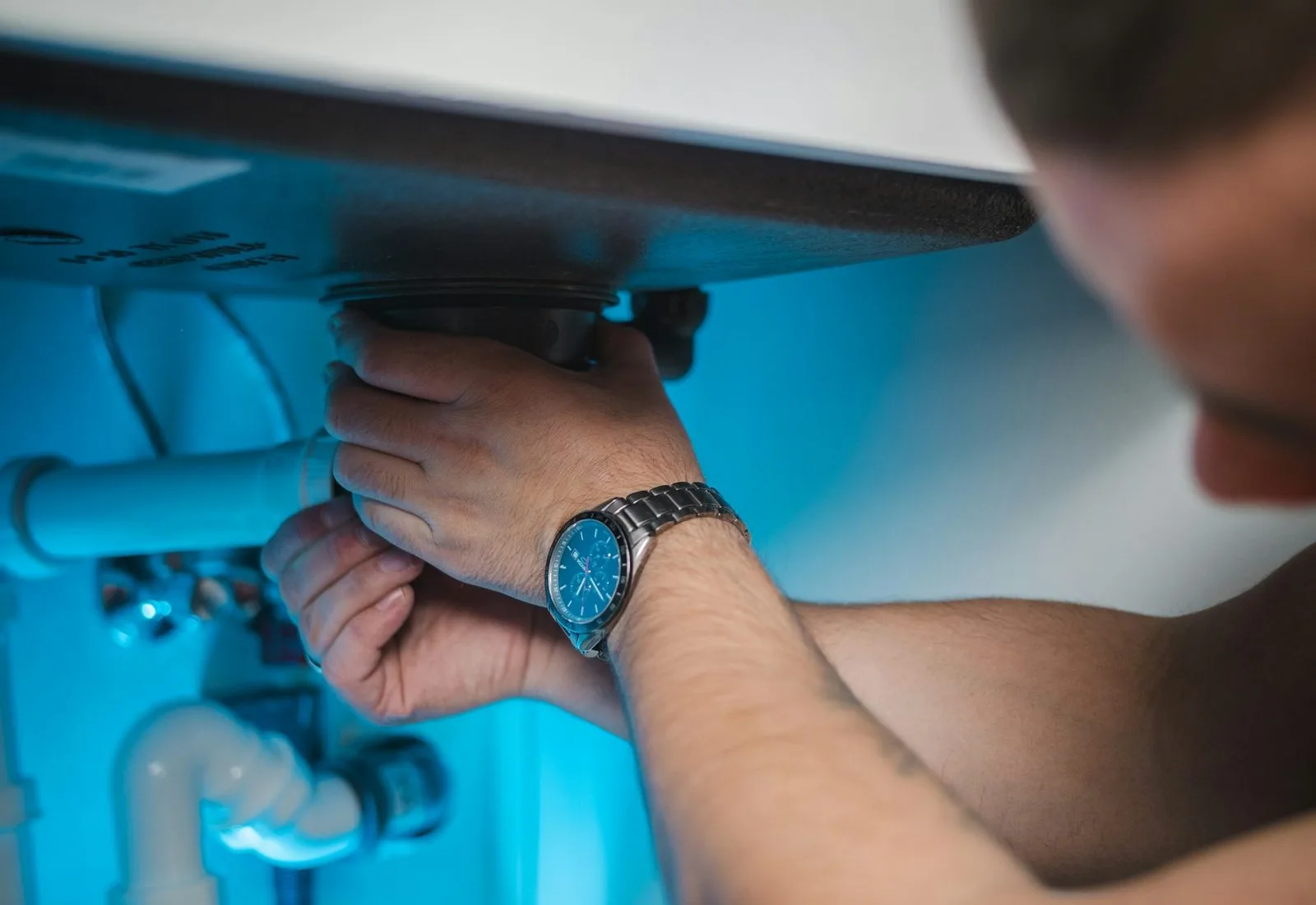
Websites for plumbers, built around the jobs people search for
Fixr Systems builds websites for plumbers and heating engineers. A plumbing business gets found by somebody typing a problem and a place into a phone, often with water already on the floor, so we build the site to answer that search and put your number under their thumb. Ben builds every site himself, prices start from £1,200, and we respond to enquiries within two working days.
What have the sites you build done?
Every figure below comes from a live Fixr Systems build, with its source named beside it. They are stated as they were measured.
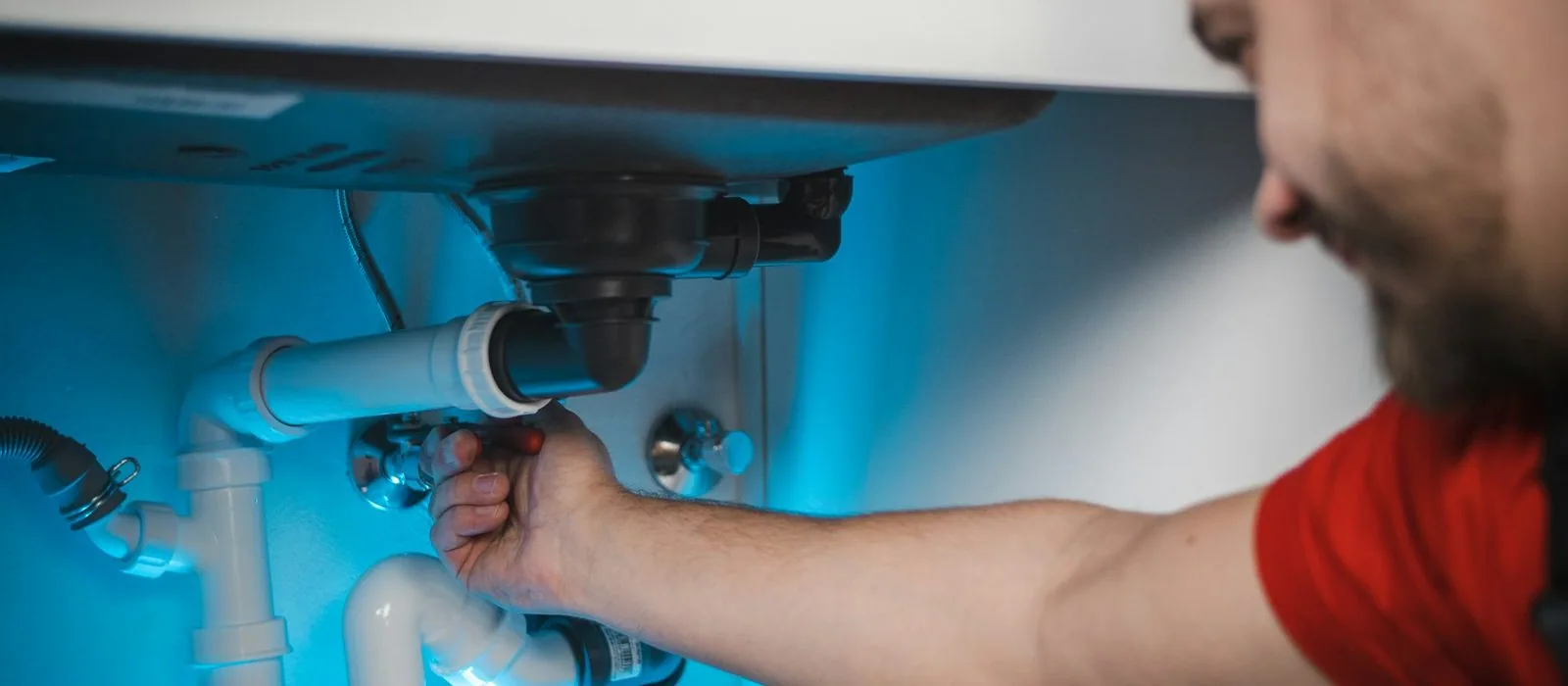
What a plumber's website has to get right
A plumbing website has two jobs: win the call from the person who needs somebody in the next hour, and win the quote from the person planning work for next month. This is what we build to do both.
An emergency page that gets the call
We build an emergency page for each area you cover, with your number at the top, the hours you answer it and what you charge to come out.
Those are the things somebody with a leak wants to know before they ring, and the page answers them on the first screen.
Boiler pages that match the search
Repairs, servicing and new boilers each get a page, because each is a different search.
The repair page speaks to the fault somebody can see, such as no hot water, and the new boiler page says what a survey involves and what moves the price.
Gas Safe registration beside the gas work
Your Gas Safe registration sits next to every gas service, with a link to the register so a customer can check it before they ring.
Landlord gas safety checks, booked by form
Landlords must have a gas safety check on each appliance and flue every year, so this work comes round every twelve months.
We build a form that takes the property address, the appliances and the dates that suit, and it lands on your phone.
Bathrooms and planned work, sold with photographs
Somebody planning a bathroom is choosing between two or three firms.
Each finished job gets its photographs with a line on what was fitted, and the quote form asks for the room size and a photograph of the space, so you can give a figure before a visit.
The towns you cover
Each town and village you drive to is named on the pages that serve it, which is what a local search is matched against.
Our page on web design for tradesmen explains how we build that part.
Why the emergency search is over in a minute
A burst pipe, a boiler showing a fault on a cold morning, a leak coming through a ceiling: these searches are settled in a minute or two.
Somebody opens the first results, finds a number and rings it. The plumber who shows an emergency page for that town, with a number to press, is the one who gets the call.
The emergency and the planned job are different customers
A burst pipe at nine at night and a bathroom planned for the spring are two people with nothing in common, and one page written for both speaks properly to neither.
Boiler work is searched by its own names
Boiler repair, boiler service and a new boiler are three separate searches, and people add the fault they can see or the make of the boiler.
Gas work gets checked
Anyone letting a stranger work on a boiler or a gas hob looks for Gas Safe registration first.
What it looks like when the site is working
Somebody searching for an emergency plumber in one of your towns lands on the page written for exactly that and rings from it.
Somebody planning a bathroom finds photographs of bathrooms you have fitted and asks for a quote. A landlord due a gas safety check books one through the form.
Emergency calls come from the towns you cover.
Planned work arrives with the details attached.
What you get
You get an emergency page for each area you cover, pages for boiler repair, servicing and new boilers, a landlord gas safety check form, a gallery of your own bathrooms and installations, and a page for each of the other plumbing jobs you sell.
Phone, WhatsApp and a short quote form are on every screen, your Google Business Profile is set up or improved, and your content and customer data are always yours.
Know what you need already? Tell us in a couple of lines and we respond within two working days.
An emergency plumbing job and a bathroom being planned for the spring are two completely different customers, and one page cannot talk to both. I build a page for each, so whoever lands on your site gets the answer they came for.
Ben Criddle, owner of Fixr Systems

Seen enough? Tell us what you do and where you work, and we respond within two working days.
Getting started with a plumber's website
You send the jobs you sell and the towns you cover, by WhatsApp or the form, whenever you have a minute between jobs. We respond within two working days, and a fixed price against a written scope follows. A build takes 2 to 4 weeks, and pages go up as they are built, so you read them on your phone and send changes as you go.
Most projects take 2 to 4 weeks. Some are quicker, some take longer, and the scope decides which.
Landlords must have a registered engineer do an annual gas safety check on each appliance and flue, and gas equipment has to be installed and maintained by a Gas Safe registered engineer. GOV.UK, landlord safety responsibilities
What a plumber's website costs
A new website starts from £1,200. A redesign of an existing site starts from £750.
You get a fixed quote before anything starts, and the price you agree is the price you pay. Pay up front, a deposit, or 50/50 depending on the project, and Klarna is available on most. Smaller and larger projects are priced appropriately.
What am I on the hook for?
- Nothing until you have a fixed price in writing against a written scope and you have said yes to it.
- Your content and customer data are always yours.
- You can add a town or a service later without a rebuild, because the site is built to be added to.
See how your website scores
Put in your website address and we check everything that can be seen from outside your site, from how fast your pages load on a phone to whether Google can even read what you do. The full report lands in your inbox in a couple of minutes, written in plain English.
Questions about a plumber's website
What makes websites for plumbers different from a normal site?
Websites for plumbers have to serve two customers at once: the one who needs somebody in the next hour and the one planning a bathroom for the spring. So we build an emergency page for each area you cover, alongside pages for boilers, bathrooms and landlord gas safety checks.
Do you do web design for plumbers anywhere in the UK?
Yes. Web design for plumbers and heating engineers is done remotely, so it does not matter where you work. Website design for plumbers starts from £1,200, and a plumbing website usually takes 2 to 4 weeks.
Should a plumber show a call-out charge on the website?
Yes, where you have one. Somebody with a leak compares two or three plumbers in a couple of minutes, and the one who states the charge has answered a question the others left open.
Do you build for heating engineers as well?
Yes. Boiler installations, servicing, heat pumps and commercial contracts each get their own page where you sell them.
What do you need from me to start?
A list of the jobs you take on, the towns you cover and whatever photographs you have of finished work. Photographs taken on a phone are fine. We write the pages and you read them as they go up.
How long does a plumbing website take?
A build takes 2 to 4 weeks, and the scope decides where inside that it lands. Having your photographs and your list of towns ready is what makes it quick.
How much does a plumbing website cost?
A new site starts from £1,200 and a redesign of an existing one starts from £750, with the exact price for your project fixed in a written quote before anything begins. What moves the figure is how many services and towns need a page, and whether you want booking or payments built in. You see the number in writing before you commit to anything.
Ready when you are.
Written and kept up to date by Ben Criddle, owner of Fixr Systems.